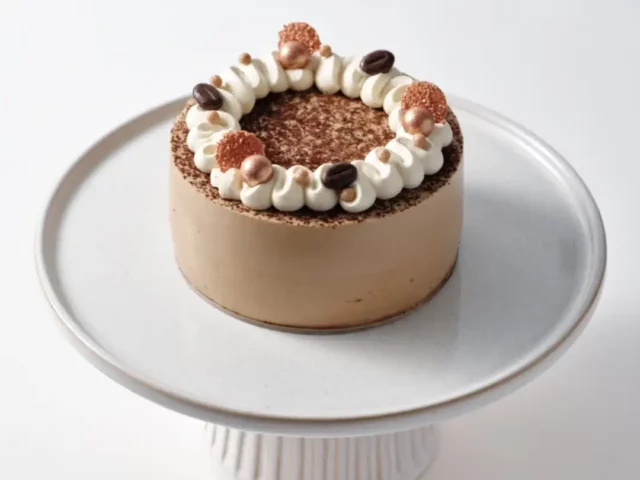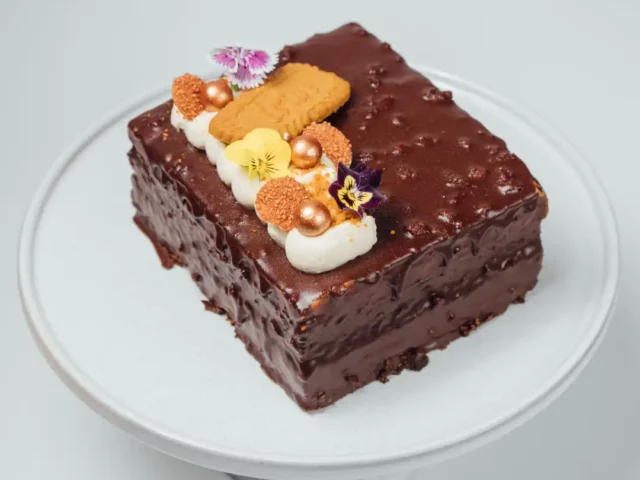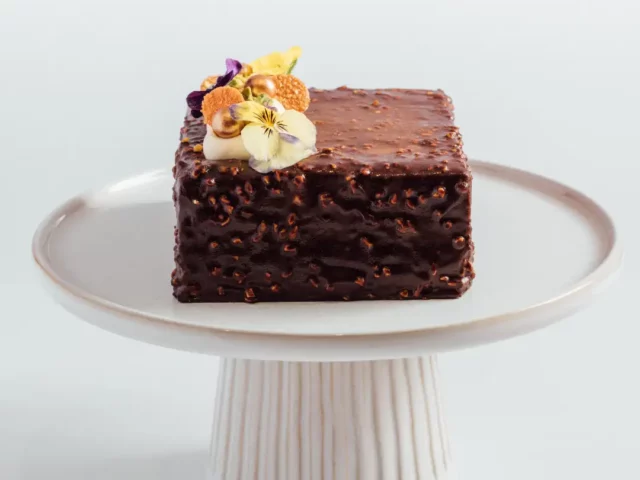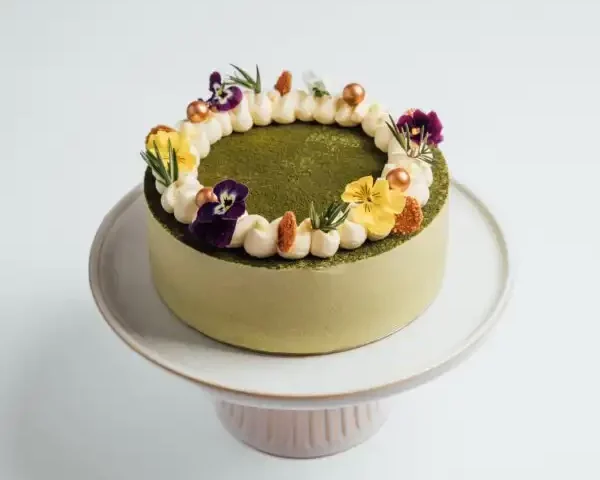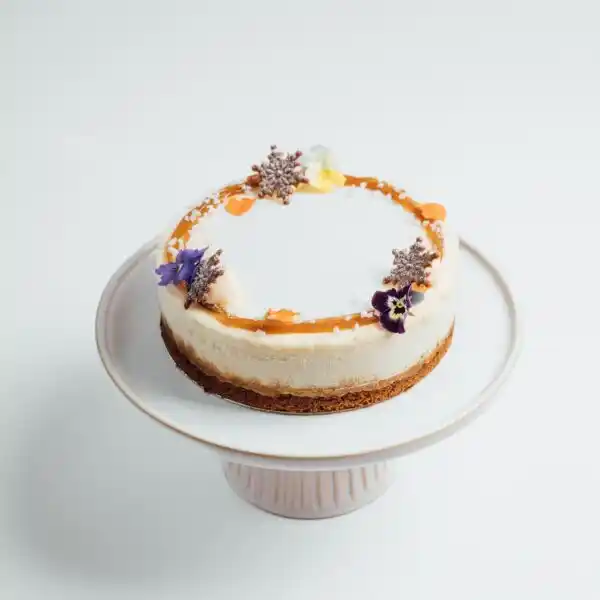
Cheesecake is one of those desserts that feels both fancy and familiar. It shows up at weddings, birthday parties, tiny cafés, and five-star restaurants. It’s creamy. It’s rich. It’s somehow both indulgent and comforting.
In fact, walk into almost any spot known for the best cakes in Auckland, and cheesecake’s probably there; sitting proud behind the glass, maybe in ube, lemon, or classic New York form.
But cheesecake didn’t just appear one day on a dessert menu. It’s been on a centuries-long journey: baked, chilled, and reinvented by cultures across the globe.
Let’s dig in (spoon first) and explore how cheesecake’s history shaped the beloved dessert enjoyed today.
Ancient Beginnings: Cheesecake Before Cheesecake
Cheesecake’s roots go back thousands of years. Old societies tried out sweets made from cheese before springform tins and cream cheese existed.
Historians can trace the earliest form of cheesecake to ancient Greece at around 2000 BCE. The Greeks used cheese, wheat flour, as well as honey in order to make a basic version. They made it into plain cakes. These were not desserts as we know them. These were, as a matter of fact, high-energy snacks.
Indeed, at the time of the initial Olympic Games in 776 BCE, it is said that athletes ate cheesecake as fuel prior to competition, and it was an early type of celebration cake.
It was plain, but it did the job.
Rome Gets Creative
Once the Romans took control of Greece (as was normal then), the cheesecake recipe was changed and taken on. Roman bakers added eggs along with baking the mixture within a pastry crust. This cooking meant it was like what people today would see as an early cheesecake.
Libum, just one recipe, appeared at around 160 BCE within the agricultural writings of Cato the Elder. Amazing dessert: this kind, created with new cheese and honey, was often a gift to the gods.
The Roman Empire grew right across Europe, so it brought its cheesecake ideas, which had an impact on local versions.
The European Remix
By the Middle Ages, cheesecake had fully settled into European kitchens. But the recipe was anything but standard. In Italy, people used ricotta. In Germany and Eastern Europe, they turned to quark or farmer’s cheese. The English made theirs with curd cheese and sometimes added dried fruits and spices.
As ingredients and kitchen tools evolved, so did cheesecake. By the 15th century, sugar became more common in Europe, which allowed cheesecakes to become sweeter and more dessert-like. Some even began to resemble custards or tarts.
There wasn’t one universal recipe. And that was the beauty of it.
Cheesecake Comes to America
European immigrants brought cheesecake to the United States in the 18th as well as 19th centuries because they introduced centuries-old techniques into kitchens in America. However, one main creation would change everything.
In 1872, William Lawrence, a New York milkman, was trying to copy Neufchâtel, a soft French cheese that is soft. He made cream cheese by accident during the task. His take was richer and more smooth. After noticing its impacts, bakers thought it made the cheesecake richly full.
In the early 20th century, New York-style cheesecake had emerged as a smooth, dense, crustless dessert made using cream cheese, eggs, and sugar. For even more richness, heavy cream or sour cream is sometimes added. Cheesecake gradually found a spot on the dessert table near the birthday cake after a biscuit base became normal.
This updated form turned into a cultural mainstay.
A Global Favourite: Cheesecake Around the World
Though America gave the world a cheesecake that was creamy from using cream cheese, different areas were also making their versions:
- Japan: Known because of its light, soft, wobbly cheesecake in a soufflé style. Frequently, it is steamed or cooked in the oven. The baking is performed at a low temperature so as to achieve an ultra-light texture.
- Italy: Ricotta cheesecakes remain predominantly customary in Sicily for use. Many contain either candied fruits or citrus zest.
- Germany: A firmer cake, along with a little tang, uses quark, which is that fresh dairy product.
- Poland: Typical cheesecakes from Poland, called sernik, as well as Eastern Europe, often have raisins, a fair few eggs, butter, plus a sponge base.
- Greece: Yes, now the situation in Greece is cyclical. Mizithra cheese, which is a fresh cheese produced from goat’s milk or sheep’s milk, is sometimes used in cheesecakes.
- Latin America: Cheesecake combines dulce de leche and guava with local passionfruit flavours, using either cookie or sponge crusts.
- Middle East: Some modern variations do use labneh so as to get a sharper version. Labneh is, in fact, a type of yoghurt cheese that has actually been further thickened.
Cheesecake has, essentially, become globally popular anew. Every culture, even now, puts its own spin on things without discarding what matters.
Modern Cheesecake Trends
Today, cheesecake shows up everywhere. It’s a canvas for creativity.
- No-bake cheesecakes use whipped cream or gelatin to set instead of the oven.
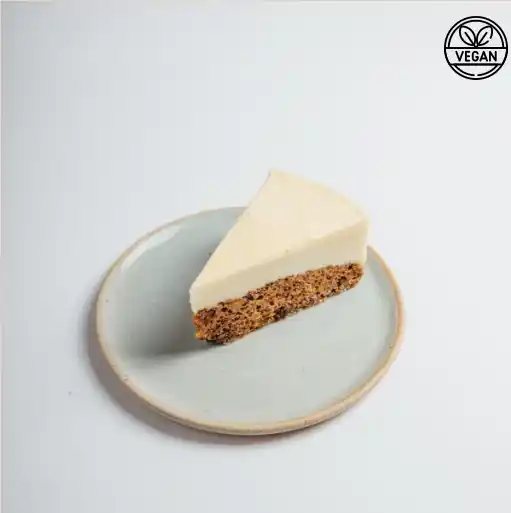
- Vegan cheesecakes make use of soaked cashews, tofu or coconut cream instead of dairy.
- Small cheesecakes, cheesecake bars, and cheesecake bites exist as liked puddings. These snacks are doing well in the quick dessert market.
- The Cheesecake Factory was founded back in 1978 and now offers over 30 flavours, from key lime, chocolate hazelnut to Oreo dream extreme (actual name).
Cheesecake has even experienced viral moments, such as the shaky Japanese cheesecake videos that have gained millions of views. It could be the Basque burnt cheesecake craze, which began in San Sebastián, Spain, as well as now being seen in bakeries from London to Los Angeles.
Clearly, cheesecake knows relevance.
Why Cheesecake Remains a Global Obsession
Cheesecake’s longevity and worldwide popularity aren’t just about taste. It’s about flexibility, nostalgia, and identity.
- It’s easy to adapt to local ingredients.
- It works for both everyday meals and special occasions.
- It can be dense and rich or light and fluffy.
- It’s nostalgic; most people have a “first cheesecake” memory.
- It’s approachable to make, but luxurious to eat.
Plus, let’s be honest: cheesecake feels special. Whether it’s served with a swirl of raspberry or just eaten plain from the fridge, it always feels like a treat.
Final Thoughts
Cheesecake has come a long way from its simple origins in Ancient Greece. Over centuries, it’s been adapted, reinvented, and sometimes totally transformed, but never forgotten. From Roman feasts to Instagram reels, it’s remained a dessert with staying power.
Each slice tells a story. One of travel, innovation, tradition, and a little bit of indulgence. That’s why, out of all the desserts that have come and gone, cheesecake remains a favourite across continents.
And honestly, with a history this rich… is anyone surprised?
Craving a slice of your own? Explore handcrafted cheesecake and celebration cakes at Memo Cakery, where every bite is baked with purpose (and a whole lot of love). Contact us today for inquiries!
Frequently Asked Questions
Where did cheesecake originate, and how did it become a popular anniversary cake?
Cheesecake traces back to Ancient Greece around 2000 BCE, being made with wheat, honey, as well as cheese. It did spread all through Rome, as well as right into Europe. The dish then went on to become a much-loved dessert.
Cheesecake is often picked as a trendy anniversary cake today, given how rich it is. Its stylishness and the many flavours you can create are also reasons it is well-liked.
How did ube cheesecake become part of global cheesecake trends?
Ube cheesecake mixes Filipino tastes using the usual Western cheesecake styles, so it is now very well-liked. Ube gives earthy sweetness and eye-catching colour, which is a purple yam from the Philippines. Cheesecake’s development is always altered by culture. Ube cheesecake, now available at family bakeries and trendy cake shops, is a great instance of fusion puddings that have gained worldwide love.
What role did American cake shops play in shaping cheesecake history?
Cheesecake became common, mainly in New York, in many American cake shops and delis after cream cheese was created in the U.S. in the late 1800s. These shops changed cheesecake to the rich, thick kind many know today and sold it. Cheesecake became easier to get due to the bakery culture during the 20th century. It became like a café standard along with a takeaway snack.
How has cheesecake remained a go-to dessert for special occasions?
From weddings to birthdays to anniversaries, cheesecake has carved a spot among traditional cakes because of its elegance and flexibility. It can be topped with fruits, folded with flavours like ube, or even tiered like a formal anniversary cake. Its long shelf life and premium feel also make it a favourite in upscale cake shops and dessert menus around the world.
What makes cheesecake so adaptable across cultures and cake trends?
Cheesecake is good along with nearly everything. That is just the secret behind it. It adapts, regardless of whether the version is a light Japanese soufflé, a no-bake fridge cake, or a richly layered ube cheesecake from a Filipino-American cake shop. It goes well with everything from a relaxed birthday to a fancy anniversary cake because that flexibility keeps it classic and fashionable together.